This coursework was completed as part of my MSc in Sport Management, Politics and International Development at Loughborough University in 2021, for which I was awarded a Distinction.
Abstract
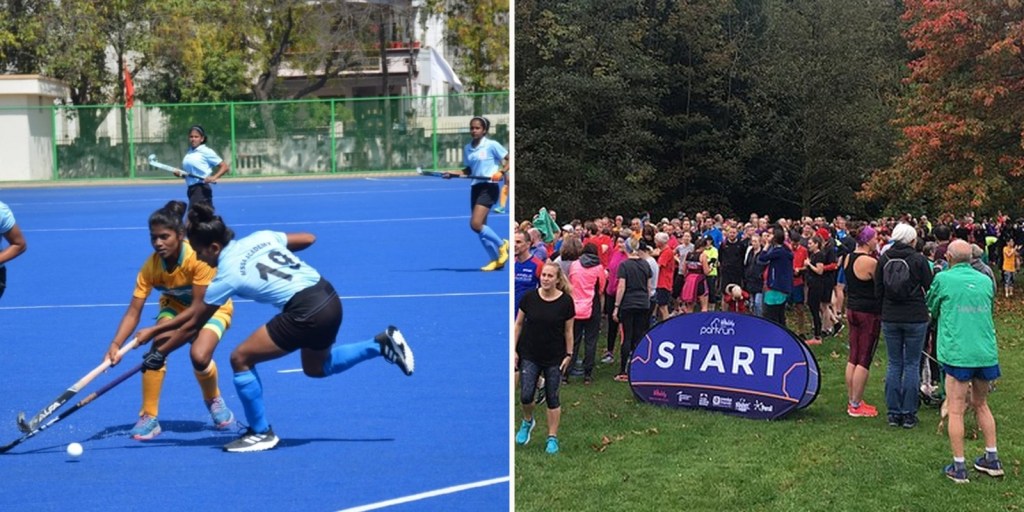
Sport development programmes pursue different objectives, from identifying and nurturing elite sporting talent to encouraging mass participation and improving public health. This essay examines two contrasting cases: India’s Khelo India Sports Programme (KISP), with a focus on talent identification and development, and parkrun in the United Kingdom, a free, volunteer-led initiative promoting community participation in physical activity.
Using the framework of Interests, Institutions and Ideas, the analysis explores how stakeholder priorities, governance structures and underlying values influence the implementation and outcomes of sport development initiatives. The Khelo India case highlights challenges associated with political interference, governance weaknesses, concerns over scholarship provision and limited public-private partnerships. In contrast, the parkrun case illustrates how collaboration among public bodies, sponsors, volunteers and local communities can support accessible participation, address socioeconomic barriers and encourage greater involvement in physical activity.
The comparison argues that the effectiveness of sport development depends not only on the aims of a programme but also on the institutions and stakeholders responsible for delivering it. While Khelo India faces structural and governance challenges in pursuing elite sporting success, parkrun demonstrates the potential of collaborative delivery and a sustainable operating model to support community-level participation. The essay concludes by emphasising the importance of transparent governance, accountable leadership, appropriate funding and effective partnerships in strengthening sport development policy and practice.

